How your bite can hurt you…
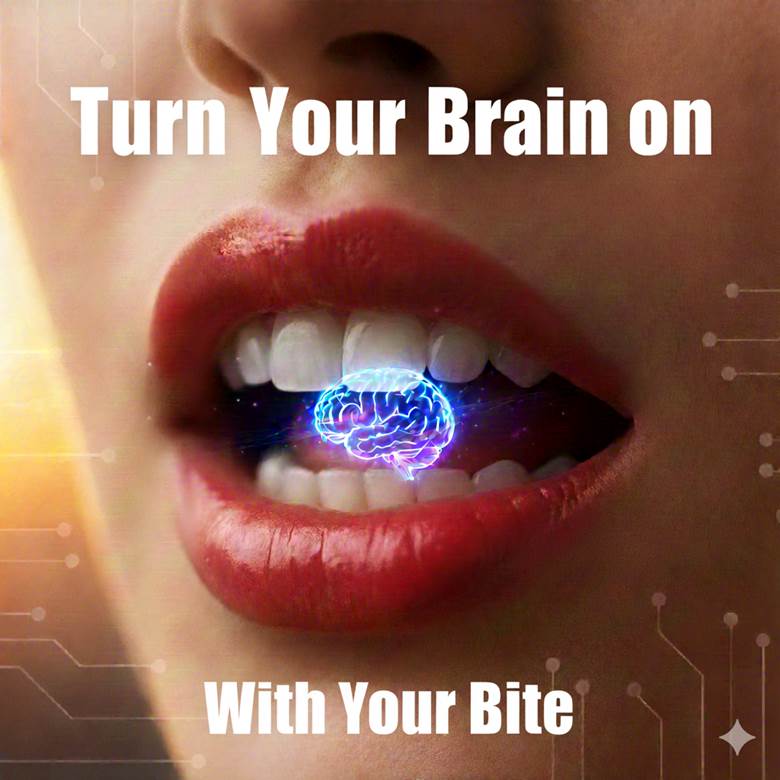
Understanding this connection can empower you to make smarter decisions about both mental and dental health. Let’s uncover the hidden pathways between your brain and mouth and see how they shape your daily life. Your brain and mouth are connected through a dense web of nerves, with the cranial nerves playing the starring role. These nerves act as communication superhighways, transmitting instructions and sensory information.
The Brain-to-Mouth Highway: How Nerves Carry Messages
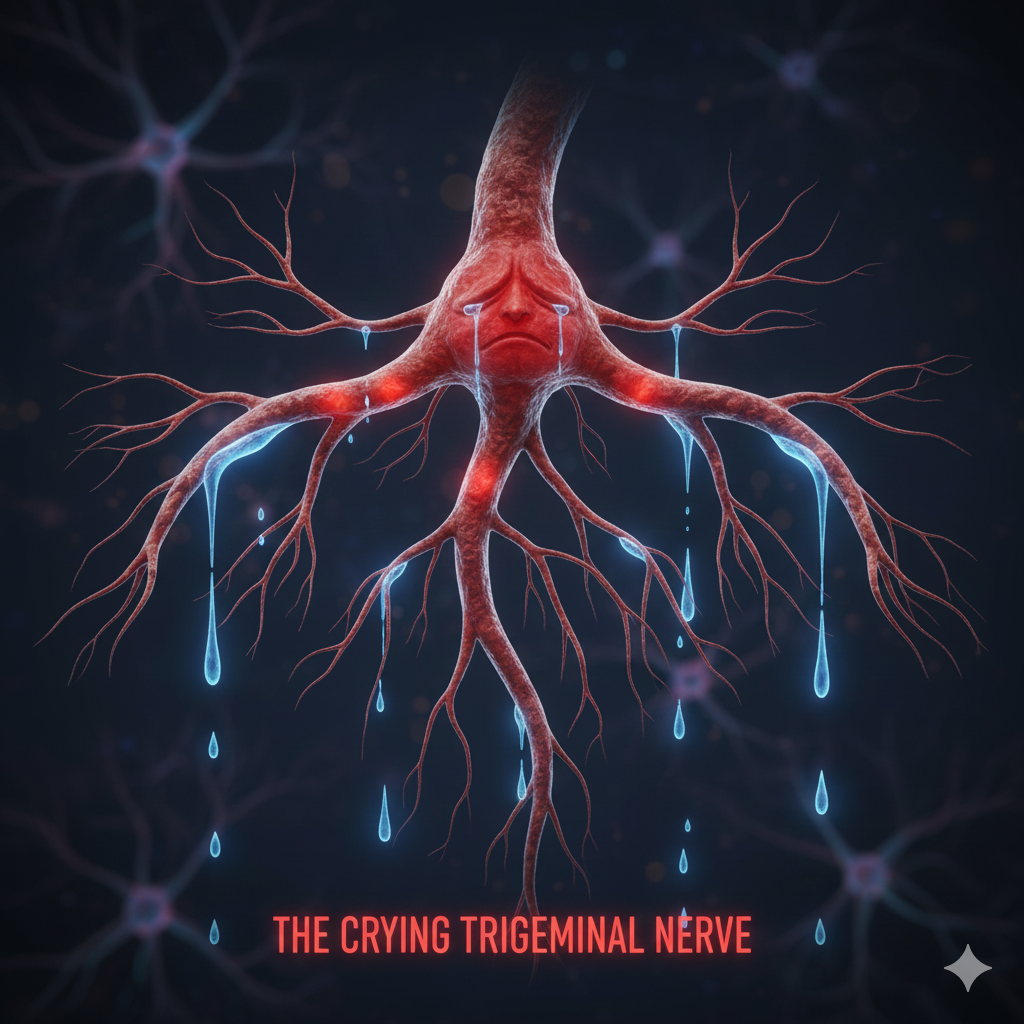
One of the most important is the trigeminal nerve, which is responsible for sensation in your face and motor functions such as biting and chewing.
If you’ve ever had a severe toothache or sensitivity, it’s this nerve that’s crying out to your brain.
Another vital connection is the facial nerve, which controls your ability to smile, frown, or express emotions. When something goes wrong with these nerves, such as in cases of Bell’s Palsy, it’s a clear example of how tightly woven the relationship between the brain and mouth really is.
This intricate nerve network makes your mouth an extension of your brain’s sensory system, which explains why oral discomfort can lead to headaches, mood changes, or even cognitive disruptions.
Emotional Health and Oral Expressions: More Than Just a Smile
Think about how you express emotions, through smiles, laughter, biting your lip, or clenching your jaw. These aren’t just physical movements; they reflect emotional states triggered in the brain. In fact, the mouth is often the first place emotions manifest physically.
People under stress often grind their teeth (bruxism), develop canker sores, or experience dry mouth. These are not random symptoms; they’re responses driven by the brain. Similarly, anxiety or depression can lead to poor oral hygiene, which worsens oral health and further strains mental well-being, a vicious cycle.
When emotional well-being declines, it can manifest in subtle dental signs. Persistent jaw pain, clenched teeth during sleep, or even frequent tongue biting may be signs that your brain is sending out distress signals through your mouth.
On the flip side, maintaining good oral hygiene and feeling confident about your smile can lift your mood, boost self-esteem, and create a positive feedback loop in your brain.
The Mouth’s Role in Memory and Cognitive Function
How does your mouth influence memory and cognitive sharpness? Research suggests a strong link between oral health and mental clarity. Poor dental hygiene and gum disease have been associated with higher risks of cognitive decline and even Alzheimer’s disease.
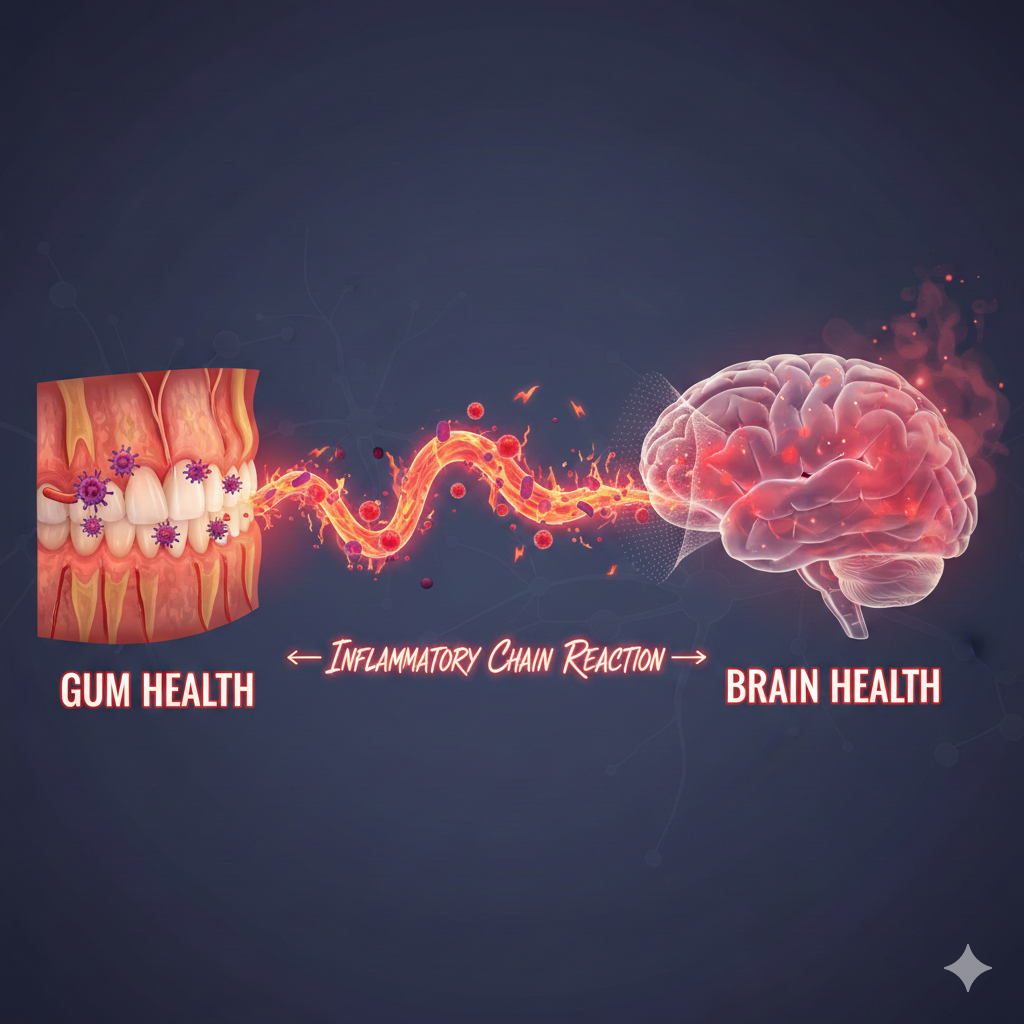
One major reason is inflammation. Chronic gum infections cause your immune system to release inflammatory chemicals that can travel to the brain, potentially leading to cognitive problems. This brain inflammation is now believed to be a contributing factor in various forms of dementia.
Additionally, your ability to chew properly affects brain function. Chewing stimulates blood flow to the brain and promotes the release of neurotransmitters that are vital for memory. Studies have shown that individuals with fewer teeth or poor bite alignment may experience slower cognitive processing and memory retention.
This surprising brain-mouth dynamic underlines how even routine actions like chewing, swallowing, and brushing your teeth are essential for cognitive longevity and connects directly to the physiology of memory.
Saliva: The Unsung Hero in the Brain-Mouth Connection
Often overlooked, saliva plays a critical role in linking oral health with brain function. More than just a digestive fluid, saliva contains enzymes, hormones, and even traces of neurotransmitters.
When you’re stressed or anxious, your body produces less saliva, leading to dry mouth. This, in turn, can result in difficulty swallowing, talking, or even tasting food. These symptoms are commonly seen in people with neurological disorders such as Parkinson’s disease, which further supports the brain-mouth connection.
Saliva also contains important biomarkers for diagnosing neurological diseases. Researchers can now detect early signs of Alzheimer’s and other brain disorders through saliva analysis, offering a non-invasive method to track cognitive health through oral fluids.
So next time your mouth feels dry during a stressful moment, realize it’s your brain responding in real time and your saliva levels are quietly telling the story.
Gum Health and Brain Health: An Inflammatory Chain Reaction
Your gums are more than just protective padding for your teeth; they’re directly connected to your brain through the bloodstream. When gum disease (periodontitis) occurs, harmful bacteria can enter the bloodstream and travel to the brain.
This bacterial migration often leads to an immune response in the brain, triggering inflammation that has been linked to neurodegenerative diseases. It’s a powerful example of how neglecting your gums can potentially affect memory, mood, and even long-term brain function.
What’s more, certain oral bacteria found in people with gum disease have also been discovered in the brains of individuals with Alzheimer’s. These bacteria are believed to contribute to plaque formation, not just on teeth but in neural pathways.
By keeping your gums healthy through regular brushing, flossing, and dental checkups, you’re doing more than protecting your teeth. You’re actively protecting your brain.
Dental Anxiety: The Brain’s Emotional Feedback Loop
Many people dread dental visits. That uneasiness is more than psychological; it’s a reaction triggered by your brain’s fear center, the amygdala. When you anticipate pain or discomfort, your brain sets off a chain of reactions: rapid heartbeat, sweaty palms, and muscle tension, often focused in the jaw.
This fear can lead to avoidance, which then causes worsening oral health, reinforcing the cycle of fear and neglect. Breaking this loop requires both emotional awareness and understanding the physiological roots of dental anxiety.
Interestingly, dentists and researchers now recommend mindfulness practices and anxiety-reducing strategies to calm the brain before oral procedures. By reducing fear-based brain responses, patients experience better oral outcomes and less trauma associated with dental care.
If you’ve experienced dental anxiety, know that it’s a normal part of the brain-mouth connection. And with the right support, you can create a more comfortable and healthy relationship with dental care.
Lifestyle Choices That Strengthen the Brain-Mouth Bond
Your daily habits don’t just impact your body; they shape the communication between your brain and mouth. For example, high sugar intake affects oral health and also impairs brain function by triggering inflammation and reducing neuroplasticity.
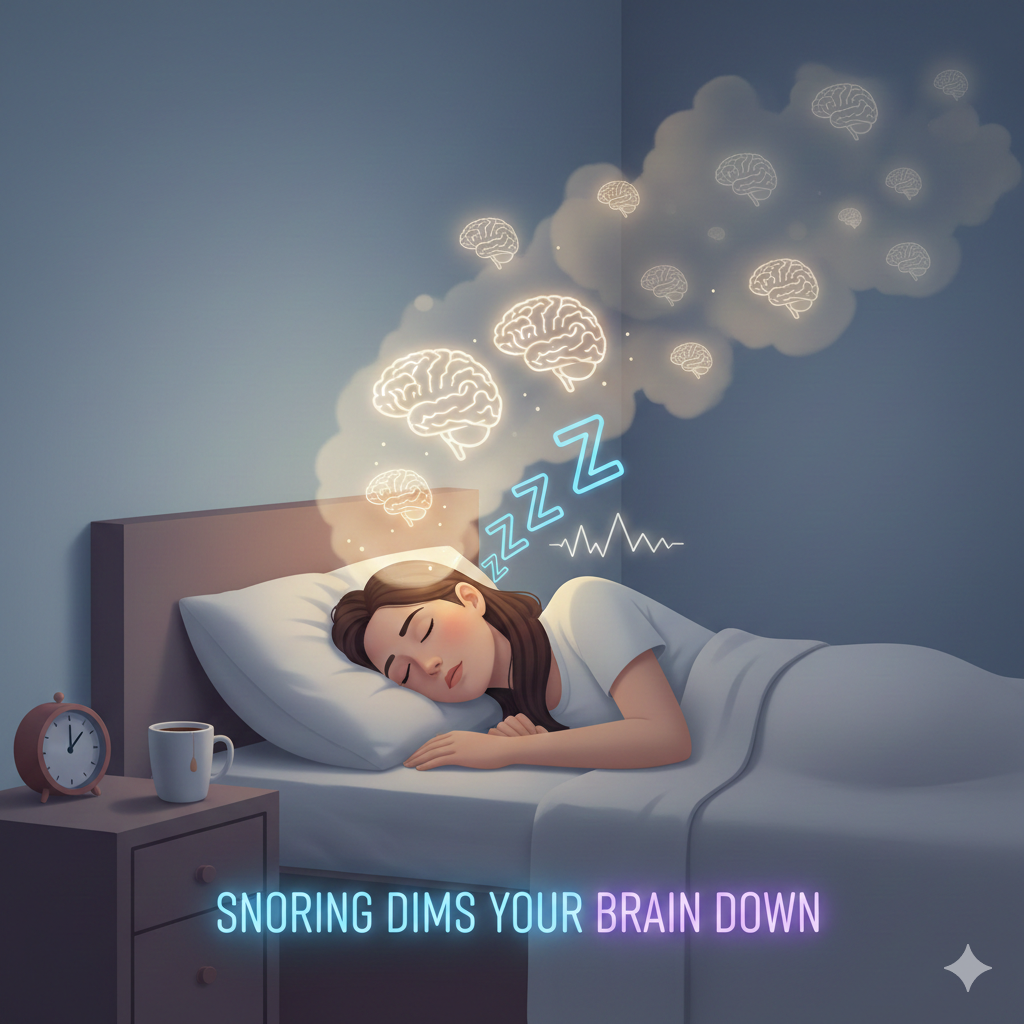
Sleep is another critical factor. Sleep apnea, a disorder involving breathing interruptions during sleep, often begins in the mouth and throat and can result in oxygen deprivation to the brain. This can cause memory problems, fatigue, and even stroke.
Smoking is a major disruptor of both oral and brain health. It damages the lining of the mouth and gums while also shrinking critical brain regions involved in learning and decision-making.
Integrating good dental hygiene, a balanced diet, and stress-reduction practices like meditation supports both brain and mouth health. It’s about embracing a lifestyle that promotes Work-Life Harmony, which naturally enhances your overall well-being.
Cosmetic Dentistry and Brain Chemistry: More Than Just Looks
Beyond function, your mouth also plays a major role in how you perceive yourself and interact socially. This is where cosmetic dentistry steps in, not just to enhance appearance, but to boost mental wellness.
Whitening your teeth, aligning your smile, or even replacing missing teeth can significantly increase confidence and reduce social anxiety. This self-assurance isn’t just surface-level; it activates brain regions associated with reward and pleasure.

Modern cosmetic procedures, such as alignment of your teeth are not only fast and accessible but also influence how others perceive you, improving interpersonal interactions. This positive reinforcement can elevate mood and self-perception, showing once again how the brain responds to changes in the mouth.
Confidence from a healthy, bright smile can encourage better habits, improve communication, and even open up career opportunities, clear signs that your brain and mouth are working in sync to shape your life.
Nutrition: Feeding the Brain and the Mouth Together
You’ve heard “you are what you eat,” but what you eat also dictates how your brain and mouth function together. Certain foods promote oral health while also supporting brain performance.
Calcium-rich foods like cheese, yogurt, and leafy greens strengthen teeth and bones. But they also contain amino acids like tryptophan, which help in serotonin production, promoting a stable mood.
Omega-3 fatty acids, found in fish, walnuts, and flaxseeds, are anti-inflammatory and improve brain health. They also help maintain gum health and reduce sensitivity.
Even hydration plays a dual role. Drinking enough water flushes bacteria from the mouth and keeps your brain alert and focused. Dehydration can cause fatigue, foggy thinking, and dry mouth, each affecting your ability to function smoothly.
Smart nutrition bridges the mouth and brain, offering a powerful way to support both systems at once.
Conclusion: The Unbreakable Bond Between Brain and Mouth
Your mouth and brain are not two separate systems working in isolation. They are deeply intertwined, physically, emotionally, and neurologically. Whether it’s through nerves, hormones, saliva, or bacteria, everything happening in your mouth has an echo in your brain.
From memory loss linked to gum disease to the emotional boost from a bright smile, this relationship is a reminder of how integrated your body really is. By paying attention to oral health, you’re not just improving your smile; you’re protecting your mind, enhancing your emotions, and boosting your cognitive strength.
Next time you brush your teeth or schedule a dental visit, remember you’re doing more than dental care. You’re investing in your mental clarity, emotional balance, and long-term brain health. And that’s a connection worth keeping strong.
The Brain-Bite Connection Assessment
Is your dental structure taxing your nervous system?
Complete this 120second screening to see if your symptoms are linked to your airway and jaw alignment.
At the end, please count your a), b), and c) answers:
Section 1: Cognitive and Neurological Load
Goal: Identify Brain Overdrive and Trigeminal Irritation
1. How often do you experience “Brain Fog”; or a lack of mental clarity, even after a full night’s rest?
a) Never
b) Occasionally (1-2 times a week) o Frequently (Daily or after meals)
2. Do you suffer from tension-type headaches that seem to start at the temples or the base of the skull?
a) Rarely
b) Specifically when I am stressed or concentrating or almost every morning/afternoon
3. Rate your general anxiety or irritability levels on a typical day:
a) Low/Calm
b) Moderate (I feel on edge easily)
c) High (I feel like my body is in a constant “fight or flight” mode)
Section 2: Sleep & Oxygenation Efficiency
Goal: Identify potential Upper Airway Resistance or Sleep-Disordered Breathing
4. When you wake up, how does your mouth feel?
a) Normal
b) Slightly dry or very dry/I feel like I’ve been breathing through my mouth all night
5. Look in the mirror and stick out your tongue. Do you see scalloped or wavy edges along the sides?
a) No, edges are smooth.
b) Yes, I see visible indentations.
6. Do you experience Micro-Arousals? (Waking up suddenly, tossing and turning, or feeling like you stopped breathing?)
a) No
b) Sometimes
c) Frequently
Section 3: Physical Mechanical Stress
Goal: Identify bruxism and structural narrowness.
7. Place your fingers on your temples and bite down hard. What do you feel?
a) A soft, steady engagement.
b) A massive jump; or bulging of the muscle.
8. Do you experience clicking, popping, or a stuffy/full feeling in your ears?
a) Never
b) Occasionally o Constantly (Somatic Tinnitus)
Ready to see the 3D data of your bite and airway?
Please contact us at (714) 772-6540 and ask for an appointment!
Mynicedentist
Alice Estrella-Gemba, DDS
(714) 772-6540
mynicedentist@gmail.com